
How Hot Does Artificial Turf Get in Summer in San Diego, California?
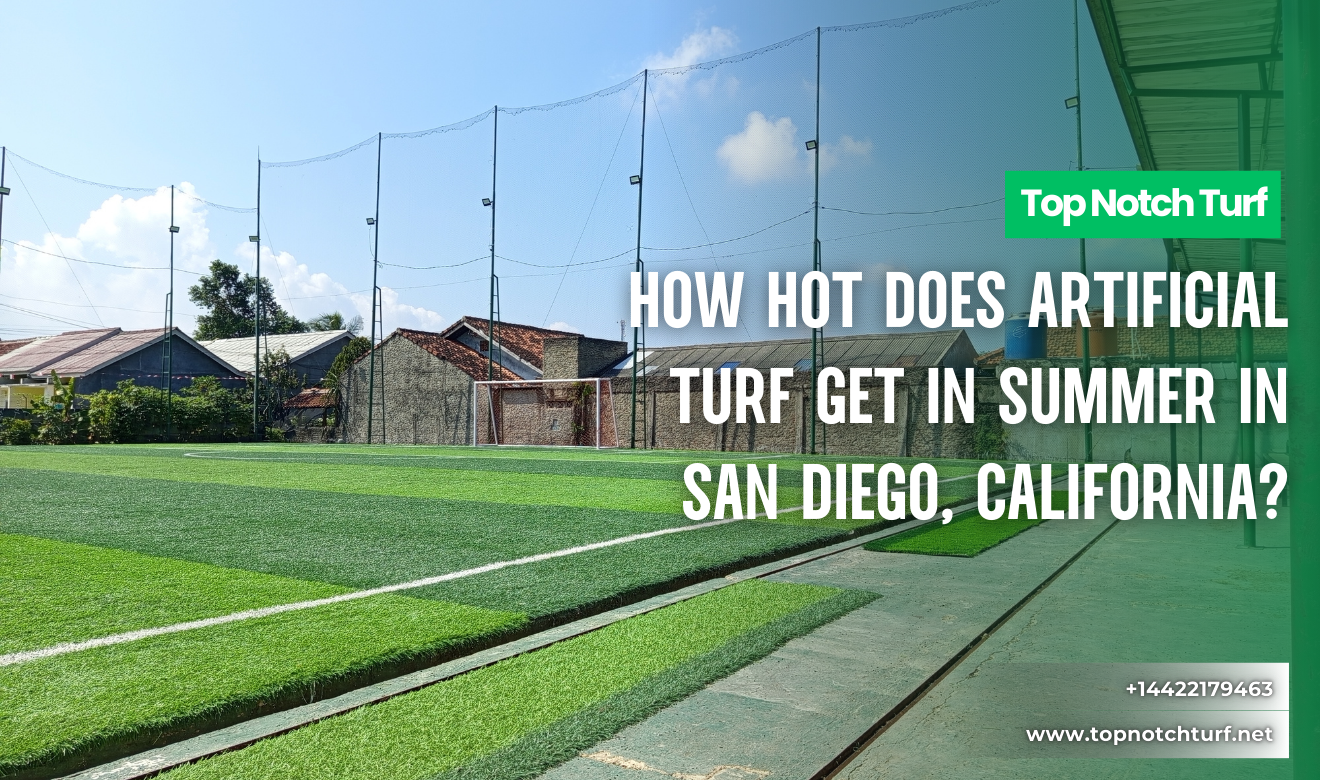
Artificial turf in San Diego summers can get extremely hot—often reaching 130–170°F on sunny afternoons, even when the air temperature is only 80–90°F. If you’ve ever stepped onto turf near the beach at 2 p.m. and had to hop back onto the sidewalk, that’s why. This is exactly why artificial turf gets hot in summer San Diego: the plastic fibers and infill absorb and hold heat, and there’s little natural cooling from moisture like you’d get with real grass. For example, a backyard turf play area can feel too hot for kids or pets during peak sun, while the same surface may feel comfortable again after sunset or in a shaded corner.
Why artificial turf gets hot in summer San Diego: the real science (in plain English)
If you’re trying to understand why artificial turf gets hot in summer San Diego, it comes down to how synthetic materials handle sunlight compared to living grass.
1) Plastic absorbs and holds heat longer than natural grass
Turf blades are typically made from polyethylene or polypropylene. These plastics:
- Absorb solar radiation and convert it into heat
- Store heat (thermal mass), so the surface stays hot even after the sun shifts
- Don’t “breathe” like a plant canopy does
This is a core reason why artificial turf gets hot in summer San Diego, especially on clear days with direct sun.
2) No evaporative cooling like real grass
Real grass cools itself through evapotranspiration (water evaporating from soil and leaf surfaces). Artificial turf lacks that natural cooling cycle. So even when ocean air feels mild, the turf surface can spike—another major reason why artificial turf gets hot in summer San Diego.
3) Infill can act like a heat reservoir
Many turf systems include infill (often sand, rubber, or specialized blends). Darker infill and crumb rubber can increase heat retention. Even when the fibers are lighter-colored, the infill underneath can store heat and re-radiate it upward—again reinforcing why artificial turf gets hot in summer San Diego yards, playground edges, and pool decks.
4) San Diego sun is intense, even near the coast
San Diego’s UV exposure can be strong, and summer sun angles mean long periods of direct overhead radiation. Coastal breeze cools air temperature, but it doesn’t stop surfaces from heating. That’s often the “surprise factor” behind why artificial turf gets hot in summer San Diego neighborhoods like Pacific Beach, Mission Bay, and inland valleys alike.
How hot can turf get in San Diego summers?
Surface temperature varies by color, infill type, shade, wind, and installation base. But in full sun, turf can run 50–80°F hotter than the air temperature during peak afternoon hours. That’s a practical way to frame why artificial turf gets hot in summer San Diego even when the weather feels “only” warm.
Here’s a quick reference that matches what many homeowners notice on typical summer days:
| Scenario | Typical Air Temp | Possible Turf Surface Temp |
|---|---|---|
| Coastal yard, full sun (2–4 p.m.) | 78–85°F | 120–150°F |
| Inland yard, full sun (2–5 p.m.) | 88–98°F | 140–170°F |
| Partial shade (tree/awning coverage) | 80–95°F | 95–125°F |
| After sunset (same day) | 70–85°F | 80–105°F |
These ranges aren’t meant to scare you—they’re meant to explain why artificial turf gets hot in summer San Diego so you can plan for comfort and safety.
When turf heat becomes a real problem (kids, pets, pool areas)
People usually start searching why artificial turf gets hot in summer San Diego after one of these situations:
- Kids’ playtime gets cut short because the surface is uncomfortable on bare skin.
- Dogs hesitate to walk, lift their paws quickly, or avoid the area entirely.
- Poolside turf becomes the “hot zone” compared to coping, pavers, or shaded decking.
- Sports/practice areas feel hotter than expected during afternoon training.
Heat risk is also influenced by time and behavior. A dog sprinting across turf for 20 seconds isn’t the same as a dog lying down on it. Understanding exposure time is part of understanding why artificial turf gets hot in summer San Diego feels different depending on how you use the space.
Practical ways to cool turf down (what actually works)
The good news: you can keep synthetic lawns comfortable most of the year in San Diego. The key is using a few targeted strategies that address why artificial turf gets hot in summer San Diego in the first place.
1) Quick cooling: rinse with water (timed correctly)
A light spray can drop the surface temperature fast, because evaporation pulls heat away. Tips:
- Spray 10–20 minutes before use (not hours earlier)
- Focus on the areas people/pets actually touch (paths, play zones)
- Use a hose-end sprayer or oscillating sprinkler for larger areas
This works because it temporarily mimics the moisture-based cooling that real grass naturally provides—one of the biggest reasons why artificial turf gets hot in summer San Diego in the first place.
2) Add shade where it matters most
Shade is the most reliable long-term fix. Consider:
- Shade sails over play zones
- Pergolas for lounge areas
- Strategic trees (with root planning and irrigation awareness)
- Umbrellas for smaller turf patios
Even partial shade dramatically reduces radiant heating—directly addressing why artificial turf gets hot in summer San Diego during peak sun hours.
3) Choose heat-conscious turf design (fiber + infill + color)
If you’re still planning your install (or thinking about replacing older turf), design choices can lower peak temperatures. Ask about:
- Lighter thatch tones (less heat absorption than very dark greens)
- High-quality, UV-stable fibers designed for hot climates
- Alternative infills that retain less heat than crumb rubber
- Proper drainage and base to avoid “heat pooling” and trapped warmth
These steps don’t eliminate the physics behind why artificial turf gets hot in summer San Diego, but they can reduce extremes and improve comfort.
4) Build “cool paths” into the layout
A smart layout prevents the whole yard from becoming one giant hot surface:
- Install stepping stones or paver walkways to high-traffic routes
- Create mulched planting beds along the sunniest edges
- Add a small shaded “rest pad” for pets using decking or a cooling mat
5) Use cooling products carefully (sprays, coatings, additives)
Some cooling infills and turf cooling sprays can help, but results vary by product and conditions. If you go this route:
- Confirm it’s pet- and kid-safe
- Check how long the effect lasts in coastal vs. inland heat
- Make sure it won’t interfere with drainage or cause residue buildup
Because there are so many variables behind why artificial turf gets hot in summer San Diego, testing a small section first is often the best approach.
Does “cool turf” exist? What to expect realistically
Many products are marketed as cooler turf. The honest answer: turf can be cooler, but it won’t behave exactly like living grass under direct sun. The underlying reasons why artificial turf gets hot in summer San Diego—plastic fibers, heat-retaining infill, and limited evaporative cooling—still apply.
What you can expect with better materials and smart design:
- Lower peak temps than older, darker, rubber-infill systems
- Faster cool-down when shaded or rinsed
- More consistent comfort across the yard (fewer “hot spots”)
Maintenance details that influence summer heat (small changes, real impact)
Maintenance won’t rewrite the physics of why artificial turf gets hot in summer San Diego, but it can reduce heat traps and improve performance.
Keep the surface clean and brushed
- Debris buildup can reduce airflow and increase heat retention.
- Brushing helps fibers stand upright, which can improve comfort underfoot.
Pet zones need extra attention
Pet areas can heat up faster due to concentrated use and odor-control treatments. If turf is primarily for dogs, consider purpose-built options like Pet Turf Services designed around drainage, cleanup, and durability.
If you’re actively dealing with pet mess, these habits pair well with summer cooling: 5 tips to easily clean up pet waste from artificial grass in San Diego.
Poolside and patio turf: why it can feel even hotter
Pool areas often combine reflective surfaces (water, light-colored coping, glass fencing) with wide-open sun exposure. That can amplify why artificial turf gets hot in summer San Diego around pools.
To make turf more comfortable near a pool:
- Prioritize shade structures over lounging zones
- Use rinsing as a “pre-swim” cooling routine
- Consider a design that mixes turf with pavers to break up heat
If you’re planning a backyard refresh, this guide may help you visualize the layout possibilities: perfect pool area with high-quality synthetic grass in San Diego.
Is hot turf unsafe? A realistic safety checklist
Most homeowners don’t need to remove turf—they need a usage plan. If you’re worried about safety, use this checklist during peak sun (typically 1–5 p.m.).
Quick check before kids or pets go out
- Hand test: Place the back of your hand on the turf for 5–7 seconds. If it’s uncomfortable, it’s too hot for extended play.
- Paw awareness: If your dog is tiptoeing or avoiding the area, treat it like a “hot sidewalk” moment.
- Plan cooler hours: Morning, late afternoon, and evening tend to be far more comfortable.
- Hydration + shade: Provide water and a shaded cool-down area.
This approach doesn’t ignore why artificial turf gets hot in summer San Diego; it simply manages it the same way you’d manage hot sand at the beach or hot pavement downtown.
What artificial turf is made of (and why it matters)
Understanding materials helps explain why artificial turf gets hot in summer San Diego. Modern systems typically include:
- Synthetic fibers (the “grass blades”)
- Infill (support, stability, and cushioning)
- Backing (holds tufted fibers and allows drainage)
- Base layer (compacted aggregate for drainage and leveling)
If you want a deeper overview of how artificial turf is defined and developed, that background can make product differences easier to compare.
Sunny San Diego turf can still be worth it—if it’s designed for your lifestyle
People often research why artificial turf gets hot in summer San Diego because they’re weighing trade-offs. Turf can still be a great choice for:
- Lower water use compared to a high-maintenance natural lawn
- Cleaner, mud-free yards (especially in pet zones)
- Consistent look and fewer bare patches
- Reduced mowing, edging, and fertilizing
The key is planning for heat the same way you plan for drainage, slope, and usage zones. When you match the turf system to how you actually use the yard, the “hot turf” issue becomes manageable—not a deal-breaker—despite why artificial turf gets hot in summer San Diego being a real and predictable phenomenon.
Cooler Days Start With Smarter Turf Choices
Why artificial turf gets hot in summer San Diego isn’t a mystery—it’s the natural result of sun + plastic fibers + heat-storing infill + limited evaporative cooling. But with the right combination of shade planning, quick rinse routines, smart layout design, and heat-conscious materials, you can keep your yard comfortable for kids, pets, and guests.
For best results, it helps to work with installers who understand San Diego microclimates (coastal sun and wind vs. inland heat), proper base construction, drainage, and how different turf systems perform under real summer conditions. That experience shows up in the details—material selection, infill choices, and design that anticipates exactly why artificial turf gets hot in summer San Diego and reduces the impact where it matters most.
Frequently Asked Questions
Beat the Heat: Get a San Diego Turf Setup That Actually Stays Comfortable
If you’re dealing with scorching summer turf temps—or you’re planning an install and want to avoid the “can’t-walk-on-it-at-2-p.m.” problem—Top Notch Turf can help you build a smarter, cooler-feeling setup. From heat-conscious turf options and infill choices to shade-friendly layouts, drainage, and pet/kid-safe comfort planning, we’ll recommend what works for your specific microclimate (coastal breeze or inland heat). Ready for a turf area you can actually use in summer? Reach out to Top Notch Turf for a quick, practical consult.
Related Posts

Top 5 Tips for Choosing Artificial Grass Installers in San Diego, California
To choose the right crew for your lawn project, start by reading the best artificial…

How to Select the Best Artificial Grass for Pet Owners in San Diego, California
To choose the right artificial grass San Diego pet owners can rely on, focus on…

Top Benefits of Installing Artificial Grass in San Diego, California
Installing artificial grass in San Diego, California is one of the easiest ways to get…